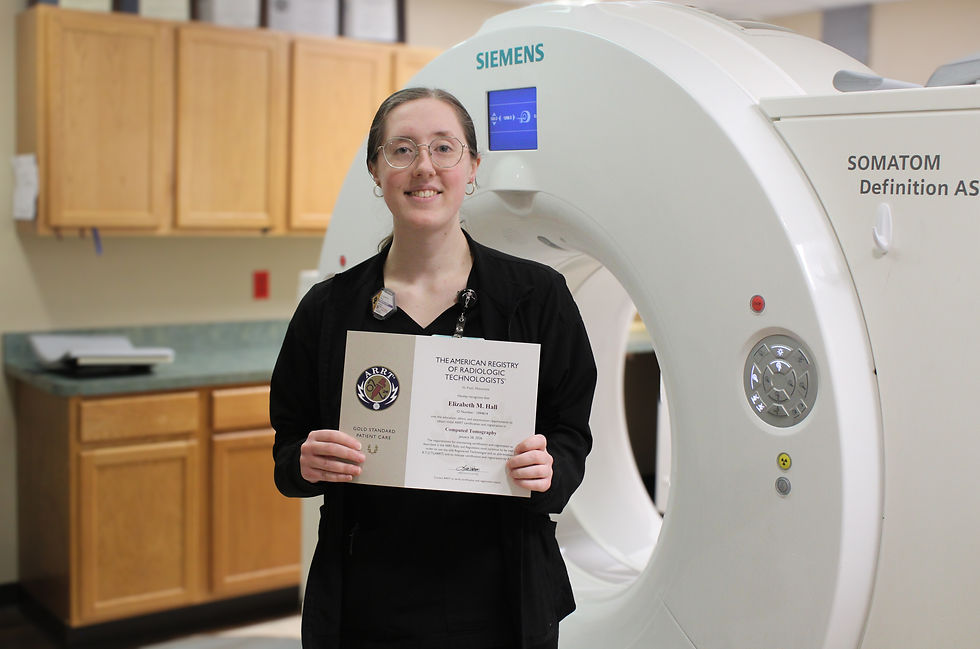
Lung Screening Program Marks 10 Years of Lifesaving Impact


Memorial Hospital is celebrating a major milestone as its Lung Cancer Screening Program surpasses more than 700 patients screened over the past decade reflecting a strong commitment to early detection and improved outcomes for those at risk of lung cancer.
Lung cancer remains one of the most common and deadliest cancers worldwide, in part because it often develops without noticeable symptoms until it has progressed to later stages. Memorial Hospital’s program is working to change that by offering low-dose CT (LDCT) lung screenings that can detect cancer early when treatment is most effective and survival rates are significantly higher.
Since welcoming its first patient in 2016, the program has made a meaningful and lasting impact on the community. Each screening represents someone seeking answers, reassurance, or a proactive step toward better health. Over time, participation has steadily grown, reflecting increased awareness, trust, and the importance of identifying cancer as early as possible.
Early Detection Saves Lives
Screening uses advanced low-dose CT technology to identify abnormalities in the lungs before symptoms appear. Much like mammograms for breast cancer, LDCT scans provide a proactive way to detect lung cancer at its earliest stages.
Large clinical trials, including the National Lung Screening Trial (NLST), have shown that LDCT screening can reduce lung cancer deaths by about 20% in high-risk individuals, with additional studies supporting meaningful reductions in mortality across screened populations.
At Memorial Hospital, the process is designed to be simple and convenient. The scan itself takes about five minutes, requires no preparation, and does not use IV contrast. Most patients are in and out within 30 minutes, and results are typically delivered the next business day.
Who Should Get Screened?
While screening is a powerful tool, it is intended for individuals at higher risk for lung cancer. Current guidelines recommend screening for those who:
Are between 50 and 77 years old
Have a smoking history of at least 20 pack-years
Are current smokers or have quit within the last 15 years
Patients who meet these criteria are encouraged to talk with their healthcare provider to determine if screening is right for them. A physician’s order and in many cases a shared decision-making visit is required before scheduling the exam.
A Guided, Patient-Centered Process
One of the program’s greatest strengths is its coordinated, patient-centered approach. Once a physician submits an order, patients are contacted by a dedicated Nurse Navigator who guides them through each step.
Rhonda Mott, R.T.(R)(M)(CT), Chief Radiologic Technologist, has led the program for the past six years and continues to expand its reach and impact. “Our goal is to make lung screening simple, accessible, and impactful,” Mott said. “The test is quick, the process is straightforward, and most importantly, it gives patients an opportunity to detect issues early—when treatment is most effective.”
She works closely with Tamatha Hughes, RN, Nurse Navigator at Missouri Baptist, who ensures patients meet eligibility requirements and feel supported from initial screening through any necessary follow-up care.
Reassurance, Monitoring, and Better Outcomes
For many patients, the program offers more than early detection; it provides peace of mind.
One patient, who chose to remain anonymous, shared their experience: “I was a heavy smoker for many years, and I wanted to stay ahead of any potential problems. These screenings give me peace of mind,” the patient said. “They’ve found some benign nodules that they continue to monitor, and knowing everything is being watched closely makes a huge difference.” The patient also shared that insurance coverage made it easier to get started. “It began as a precaution, but now it’s something I rely on every year, and I’ve successfully quit smoking for three years,” they added.
Over the past decade, the program has identified five lung cancer cases, several of them in early stages when treatment is most effective demonstrating the real impact of early detection.
Looking Ahead
Reaching more than 700 patients screened reflects growing community awareness of the importance of preventive care. As the program continues to expand, Memorial Hospital remains focused on increasing access, improving outcomes, and educating the public about lung cancer risks and screening benefits.
With most screenings covered by Medicare, Medicaid, and private insurance and a dedicated team supporting patients every step of the way the program is a powerful example of how proactive healthcare can save lives.
Take the Next Step
If you or a loved one may qualify for lung cancer screening, Memorial Hospital encourages you to start the conversation with your doctor. For more information or to schedule an appointment, contact the Lung Screening Program Nurse Navigator at 855-399-LUNG (5864).
Sources: National Lung Screening Trial Research Team, 2011; Frille et al., 2020.